
Ever since George Floyd’s murder and the subsequent Black Lives Matter protests, most of the monuments torn off their pedestals have remained toppled. We’ve seen communities around the nation and world come together to create a consensus of how they would like to be represented in their monuments landscapes and we’ve seen new monuments take hold in the place of the former oppressive ones.
However, since January 2025, many of these actions have been undone. Despite decades of work in many cases to seek change in the storytelling of America to be both more inclusive and less divisive, the current federal administration has sought a reversal. On March 27, 2025, President Trump signed the “Restoring Truth and Sanity to American History” executive order. Amongst the several attacks on our national storytelling, it included an order to the Secretary of the Interior to “take action to reinstate the pre-existing monuments, memorials, statues, markers, or similar properties.”
Sometimes it remains unclear exactly what an executive order requires until enforcement has been in effect for some time. Although it seemed quite obvious at the time of announcement, I chose to wait until a year had passed to see exactly what this order would do to the monuments landscape. Below, I’ll list just a few of the actions it has caused.
The Albert Pike Statue
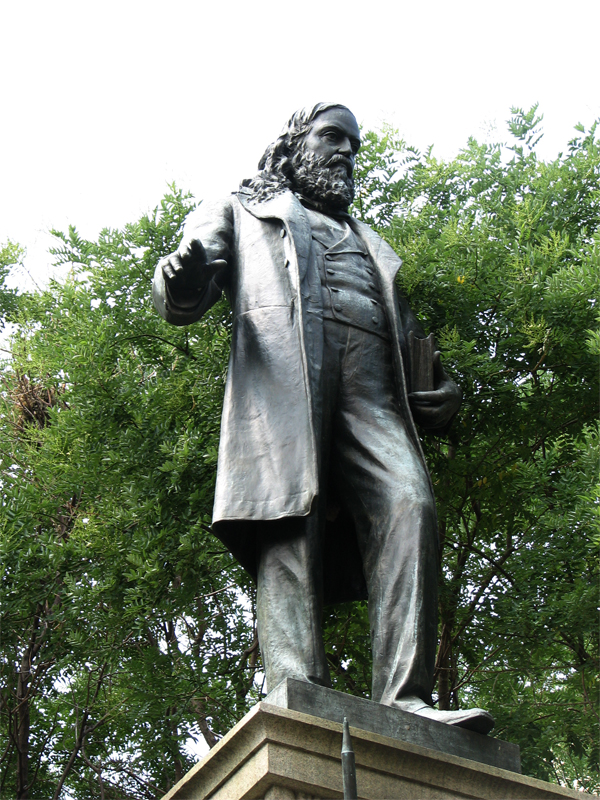
It’s quite likely you’ve never heard the name “Albert Pike” before. Unless you’ve spent years studying the American Civil War, his name has far less recognition than Robert E. Lee’s or Stonewall Jackson’s. However, he fits the same ideology.
Albert Pike’s statue is the only statue of a Confederate in Washington, D.C. Generally speaking, it makes a lot of sense that men who committed treason and declared war on the nation would not be featured in the landscape of the nation’s capital city. However, Pike’s statue was erected on the premise that, despite being a Confederate general and potentially a developer of the Ku Klux Klan, he was also a Freemason and deserves recognition for such. In 2020, protestors disagreed.
Pike’s statue was torn off its pedestal during the BLM protests during President Trump’s first term. While he made no effort to reinstate the statue during his first term, it has now been resurrected in his second term, despite opposition from the D.C. Council.
Very few people could tell you about Pike’s history and accomplishments, even fewer leading with the fact that he was a Freemason. However, due to the executive order, he’ll continue to have a face in D.C. at least through the end of this administration.
Christopher Columbus Statue
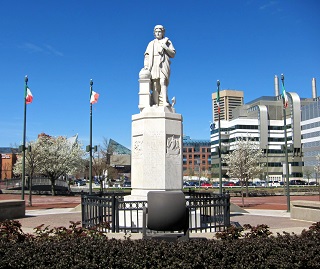
Another statue torn down by protestors in 2020 was the Christopher Columbus statue in Baltimore, Maryland. The statue previously stood across the street from Baltimore’s Little Italy before protestors threw it into the National Harbor. The Monuments Toolkit team published a case study on this protest-led removal. It was heavily damaged during that time, but salvaged pieces have since been used to create a replica. President Trump insisted that the replica not be reinstalled in Baltimore, but instead relocated to the White House grounds.
Christopher Columbus remains a deeply controversial figure in American history, provoking debate that is arguably more complicated than that surrounding Confederate monuments. While many credit him with the founding of this country, and some Italian Americans have embraced him as a symbol of their heritage, especially during periods of anti-Italian discrimination, these perspectives exist alongside a growing recognition of the harm and violence associated with his actions. Perhaps it could have been claimed that relocating this monument to within the actual Little Italy sector of Baltimore, or even another city that, by consensus, agreed to have it, would be an appropriate choice for this monument.
However, moving the monument to the White House grounds is a clear point of political rhetoric. It centers a man responsible for the initial enslavement and displacement of Indigenous North and South Americans at a house meant to represent the People, including those with ancestors harmed by Columbus. When you consider that the mass of protestors who toppled the monument likely envisioned it would never be fished out of the water to begin with, it begs the question: would Trump administration officials have used straws to drink out of the Boston Harbor in December 1773?
Exhibitions at Independence Hall
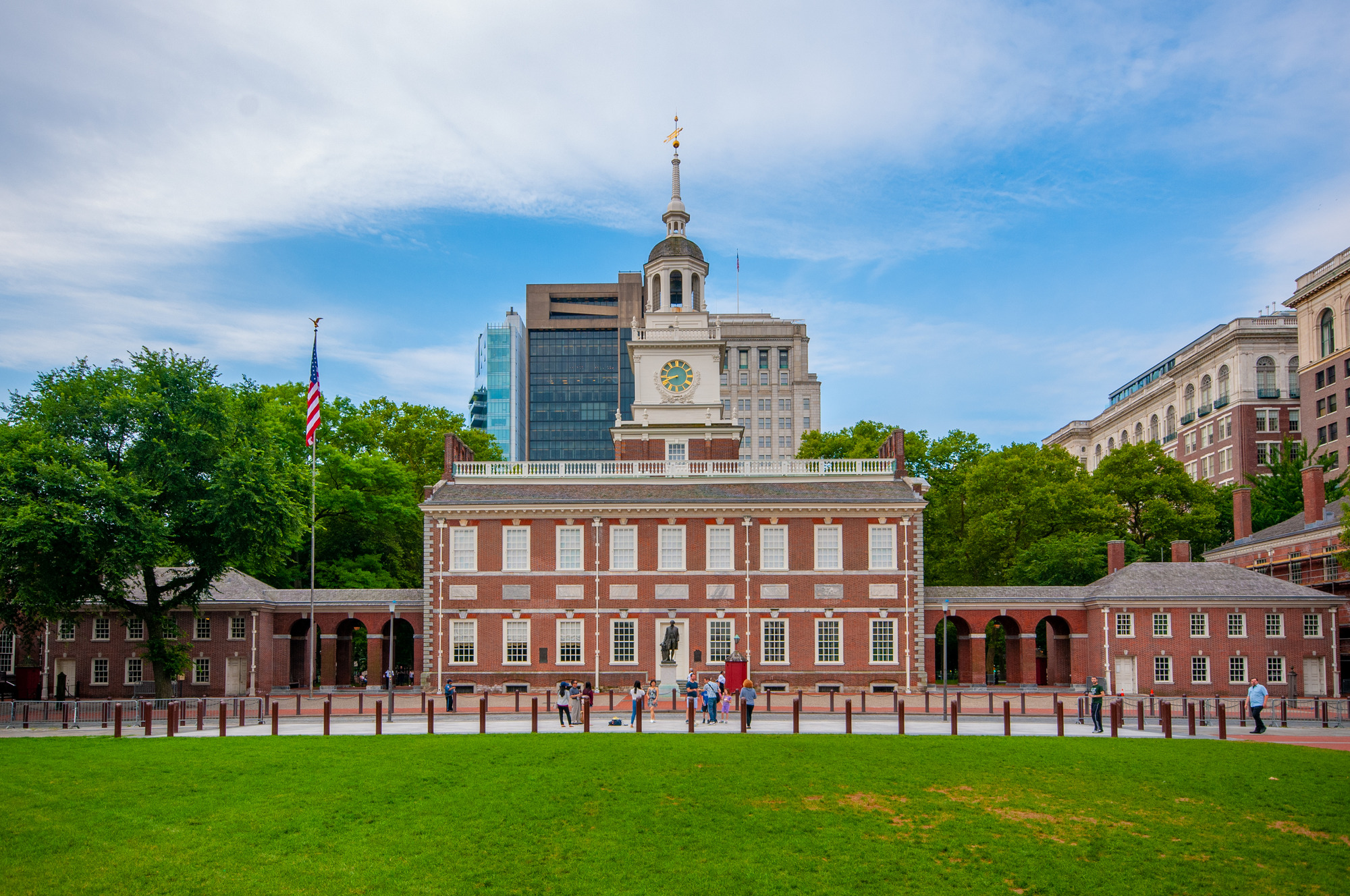
On the other side of the Trump administration’s dealings with the monuments landscape comes the removal of histories told at our historical sites. The example that caught the most media attention was when officials removed an exhibit on the history of slavery featured at Independence Hall.
Fortunately, this hasty removal from the administration was able to be stopped in the courts and ordered to be returned in less than a month. However, this manipulation of storytelling at our historic sites helps put the work happening with monuments like Columbus and and Pike into context: this is not about returning “truth” and “sanity” to our history, it’s about the ability of a federal administration to create both propaganda and censorship about the events that led us to where we are today. The ability to determine policy for the future becomes a lot easier for an elected official when the past appears to have led to these decisions.
Conclusion
These are only a few examples of adjustments this administration has made in the monuments landscape. Every day, there are minor changes that invoke major impacts upon the visitors of our historical sites and their perception of who we are as a people. Whether it be in the reinstatement of a historical figure that oppressed minoritized communities or the removal of the historic wrongs we still work to correct from our national storytelling, these choices (made without the input of the people) damage our ability to create a more equitable world than our ancestors lived in. In the meantime, the Monuments Toolkit team will continue to work with communities around the nation to invoke as much change as can be made on the local and state levels when it comes to our history.